
Unlocking the Rich Flavor of Roasted Coffee Beans
 Jillian Hunt
January 18, 2026 1:19 am
.
9 min read
Jillian Hunt
January 18, 2026 1:19 am
.
9 min read
Roasting coffee is an intricate dance of science and art, where raw green beans are transformed into the aromatic, flavorful beans we cherish. As we embark on this journey, we must first understand the fundamental principles behind the roasting process. When we heat the green coffee beans, a series of complex chemical reactions occur, primarily due to the Maillard reaction and caramelization. These reactions not only change the color of the beans from green to various shades of brown but also develop the rich flavors and aromas that define our beloved coffee.
As we delve deeper into the roasting process, we realize that timing and temperature play crucial roles. Each stage of roasting—from drying to first crack and beyond—unfolds unique characteristics in the beans. The initial phase involves removing moisture, which is essential for achieving a proper roast. As we progress to the first crack, we witness a dramatic transformation as the beans expand and release gases. This moment is pivotal; it marks the transition from a light roast to a medium roast, and eventually to darker roasts. Understanding these stages allows us to appreciate the nuances of flavor that different roast levels can impart.
Roasted coffee beans are essential for creating the perfect cup of coffee, and understanding their nuances can enhance your brewing experience. For those looking to explore delicious coffee options, you might find inspiration in this article about unique iced coffee orders at Starbucks. Check it out here: Must-Try Iced Coffee Starbucks Orders.
Choosing the Right Beans for Roasting
Selecting the right beans is paramount in our quest for the perfect roast. The origin of the coffee beans significantly influences their flavor profile, acidity, and body. As we explore various regions, we discover that beans from Ethiopia often exhibit bright floral notes, while those from Brazil may offer a more chocolatey, nutty flavor. By understanding these regional characteristics, we can make informed choices that align with our personal taste preferences.
Moreover, we must consider the processing method of the beans. Whether washed, natural, or honey-processed, each method imparts distinct flavors and textures to the final cup. For instance, natural processing tends to enhance fruity notes, while washed beans often yield a cleaner taste. As we experiment with different origins and processing methods, we begin to appreciate the vast diversity within the world of coffee. This exploration not only enriches our palate but also deepens our connection to the farmers and regions that produce these exceptional beans.
The Importance of Proper Storage for Freshness
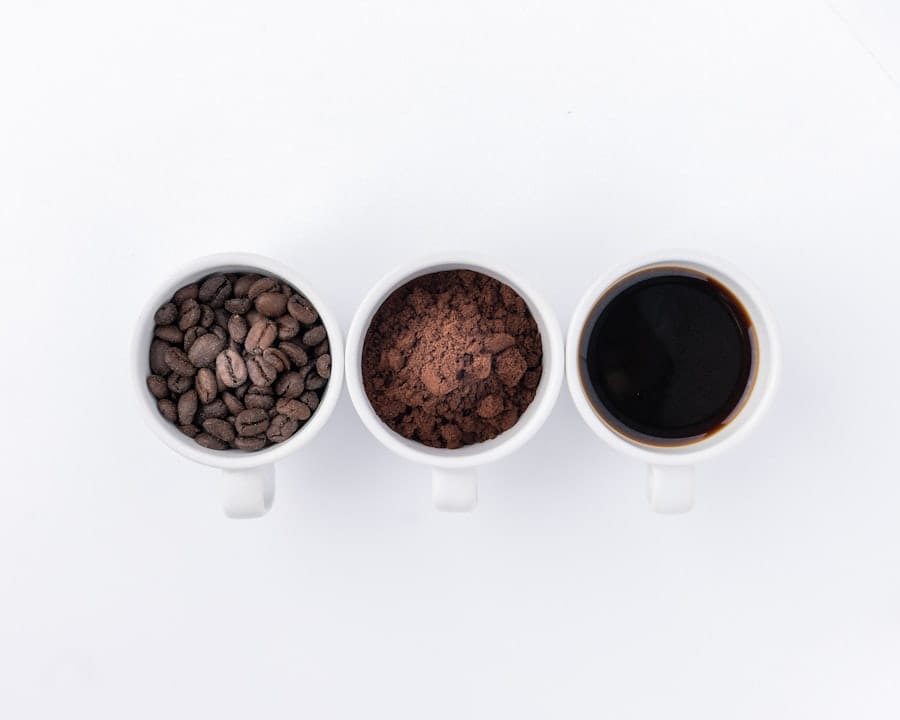
Once we have selected our beans, proper storage becomes essential to maintain their freshness and flavor. Coffee is a perishable product, and exposure to air, moisture, light, and heat can quickly degrade its quality. To preserve the integrity of our roasted beans, we should store them in an airtight container in a cool, dark place.
This simple practice can significantly extend their shelf life and ensure that we enjoy the full spectrum of flavors they have to offer. Additionally, we should be mindful of how long we keep our coffee after roasting. Ideally, we should consume our beans within two to four weeks of roasting for optimal freshness.
As time passes, even well-stored coffee will lose its vibrant flavors and aromas. By being intentional about our storage practices and consumption timeline, we can savor every cup as if it were freshly brewed.
Exploring Different Roasting Methods
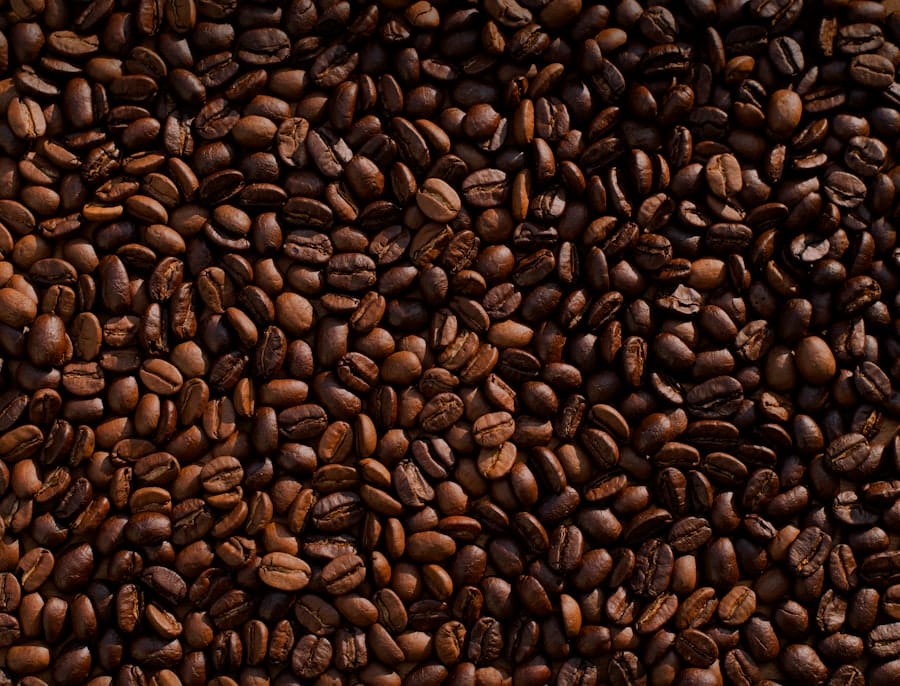
As we venture into the world of coffee roasting, we encounter various methods that each bring their unique flair to the process. From traditional drum roasters to modern air roasters, each technique offers distinct advantages and challenges. Drum roasting is perhaps the most common method, where beans are heated in a rotating drum over a heat source. This method allows for even roasting and greater control over temperature and time.
On the other hand, air roasting employs hot air to circulate around the beans, resulting in a lighter roast with pronounced acidity and brightness. This method can be particularly appealing for those who enjoy exploring the more delicate flavors of specialty coffees. As we experiment with different roasting methods, we begin to understand how each technique influences not only the roast profile but also our overall coffee experience.
Roasted coffee beans are not only a beloved beverage choice but also have interesting health benefits that many may not be aware of. For instance, some studies suggest that coffee can help soothe a sore throat, making it a comforting option when you’re feeling under the weather. If you’re curious about how coffee can provide relief during cold season, you can read more in this insightful article on the topic. Check it out
Another crucial aspect is to trust our senses—both sight and smell play vital roles in determining when our coffee is ready. Observing the color change in the beans as they progress through various stages can guide us toward achieving our desired roast level. The aroma released during roasting also provides valuable clues; as we become more attuned to these sensory cues, we develop a deeper understanding of what constitutes a perfect roast for our palate.
The Role of Grind Size in Unlocking Flavor
Once we’ve perfected our roasting technique, we must consider grind size as another critical factor in unlocking flavor potential. The grind size affects extraction rates during brewing; finer grinds expose more surface area to water, leading to quicker extraction, while coarser grinds result in slower extraction times. As we experiment with different grind sizes for various brewing methods—such as espresso, pour-over, or French press—we begin to notice how each adjustment impacts flavor clarity and intensity.
Moreover, understanding grind size allows us to tailor our brewing process to achieve specific flavor profiles. For instance, if we’re aiming for a bright and vibrant cup, a medium-fine grind may be ideal for pour-over methods. Conversely, if we’re seeking a rich and full-bodied experience with French press brewing, a coarser grind would be more appropriate. By mastering grind size alongside roasting techniques, we can elevate our coffee experience to new heights.
Enjoying the Rich Flavor of Freshly Roasted Coffee
Finally, there’s nothing quite like enjoying a cup of freshly roasted coffee—a moment that encapsulates all our efforts in selecting beans, mastering roasting techniques, and perfecting brewing methods. The aroma wafting from our cup invites us into a world of rich flavors that tell stories of distant lands and dedicated farmers. Each sip becomes an exploration of taste—a journey through notes of chocolate, fruit, or spice that dance on our palates.
As we savor this experience, we also cultivate a deeper appreciation for the entire coffee journey—from bean to cup. We recognize that every aspect plays a role in shaping our enjoyment: from choosing high-quality beans and mastering roasting techniques to understanding storage and grind size. In this way, enjoying freshly roasted coffee becomes not just about quenching our thirst but celebrating a craft that connects us with nature and community alike. Through this journey, we find joy in every cup—a testament to our passion for coffee and all its complexities.
FAQs
Also Read:
What are roasted coffee beans?
Roasted coffee beans are coffee seeds that have been heated to transform their chemical and physical properties, developing the flavor, aroma, and color associated with brewed coffee.
How does the roasting process affect coffee beans?
Roasting causes the beans to undergo chemical changes, including caramelization of sugars and Maillard reactions, which create the complex flavors and aromas. It also reduces moisture content and changes the bean’s color from green to brown.
What are the different roast levels for coffee beans?
Common roast levels include light, medium, medium-dark, and dark. Each level varies in roasting time and temperature, affecting the flavor profile, acidity, and bitterness of the coffee.
How should roasted coffee beans be stored?
Roasted coffee beans should be stored in an airtight container, away from light, heat, and moisture to preserve freshness and flavor. It is best to use them within a few weeks of roasting.
Can roasted coffee beans be ground before or after roasting?
Coffee beans are roasted whole and can be ground after roasting to the desired coarseness depending on the brewing method. Grinding before roasting is not done as it would affect the roasting process and flavor development.
Jillian Hunt is a talented writer who shares her passion for coffee on coffeegreenbay.com. Her blog is filled with insightful articles about the latest trends and innovations in the world of coffee, as well as tips on how to brew the perfect cup at home. So pour yourself a cup of joe and settle in for some great reads here!

 100vw, 900px" data-eio="l" /></noscript></a><a href="https://coffeegreenbay.com/top-dark-roast-coffees-for-bold-flavor/">Top Dark Roast Coffees for Bold Flavor</a></div></div>
<p>Achieving the perfect roast is both an art and a science that requires practice and patience. One essential tip is to monitor temperature closely throughout the roasting process. Using a reliable thermometer can help us maintain consistent heat levels and avoid over-roasting or under-roasting our beans. Additionally, keeping a detailed log of our roasting times and temperatures allows us to replicate successful batches or make adjustments for future roasts.</p><div class="c-ads"><script type="text/javascript">
atOptions = {
)