
Indulge in High-Quality Coffee: A Guide to the Perfect Brew
 Jillian Hunt
January 24, 2026 1:19 am
.
10 min read
Jillian Hunt
January 24, 2026 1:19 am
.
10 min read
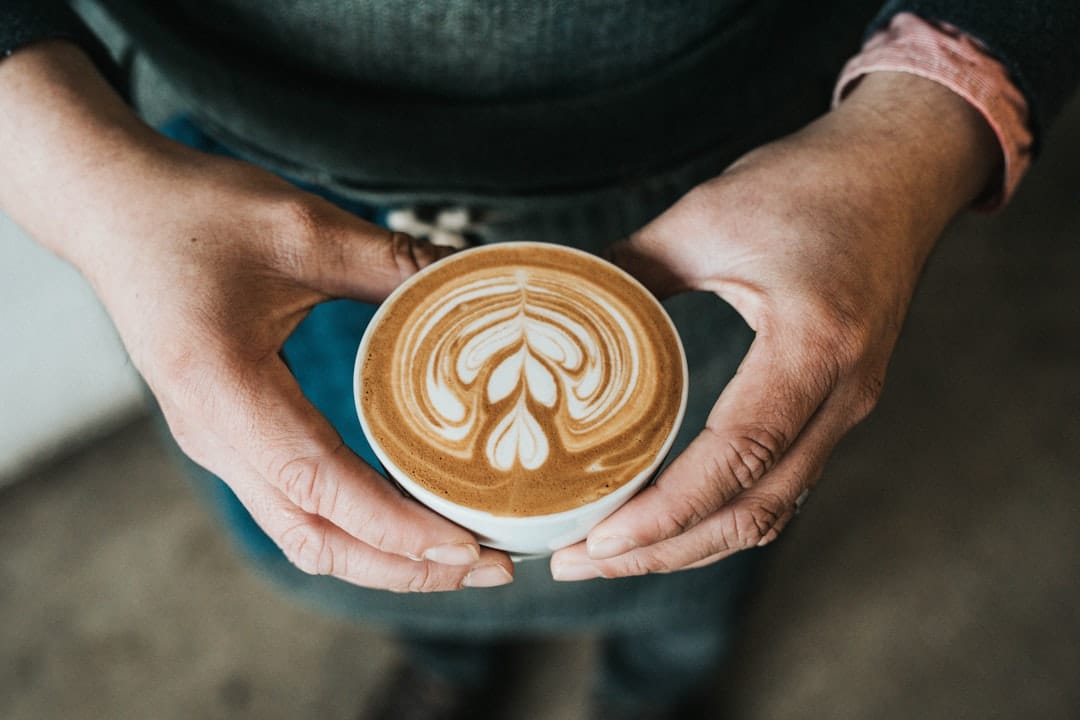
When we think about our daily coffee ritual, the quality of the beans we choose plays a pivotal role in the overall experience. High-quality coffee beans are not just a luxury; they are the foundation of a great cup of coffee. The journey from bean to cup begins with the selection of beans that have been cultivated under optimal conditions. Factors such as altitude, climate, and soil composition significantly influence the flavor profile of the beans. By choosing high-quality beans, we ensure that we are starting with a product that has the potential to deliver rich, complex flavors and aromas.
Moreover, the sourcing of these beans is equally important. Many coffee enthusiasts advocate for single-origin beans, which come from a specific region known for its unique flavor characteristics. By understanding the origin of our coffee, we can appreciate the nuances that different growing conditions impart. High-quality beans often undergo meticulous processing methods that enhance their natural flavors, making them stand out in a crowded market. Investing in high-quality coffee beans not only elevates our coffee experience but also supports sustainable farming practices and fair trade initiatives, contributing to a more ethical coffee industry.
For those who appreciate high-quality coffee and are looking to enhance their beverage experience, you might find inspiration in a related article that offers delicious protein coffee shake recipes. These shakes not only provide a boost of energy but also combine the rich flavors of premium coffee with nutritious ingredients. To explore these delightful recipes, check out the article here: Delicious Protein Coffee Shake Recipes.
Understanding Different Coffee Brewing Methods
As we delve into the world of coffee, we quickly realize that there are numerous brewing methods available, each offering its own unique approach to extracting flavors from the beans. From the classic drip coffee maker to the intricate pour-over technique, each method has its own set of advantages and nuances. For instance, using a French press allows us to enjoy a full-bodied cup with rich oils and flavors, while an espresso machine delivers a concentrated shot that serves as the base for various coffee drinks.
Exploring these different brewing methods not only enhances our appreciation for coffee but also allows us to experiment with flavors and strengths. We can adjust variables such as grind size, water temperature, and brewing time to create a cup that perfectly suits our taste preferences. Whether we prefer the convenience of an automatic brewer or the hands-on approach of manual methods, understanding these techniques empowers us to take control of our coffee experience and discover new dimensions of flavor.
The Art of Grinding Coffee Beans to Perfection
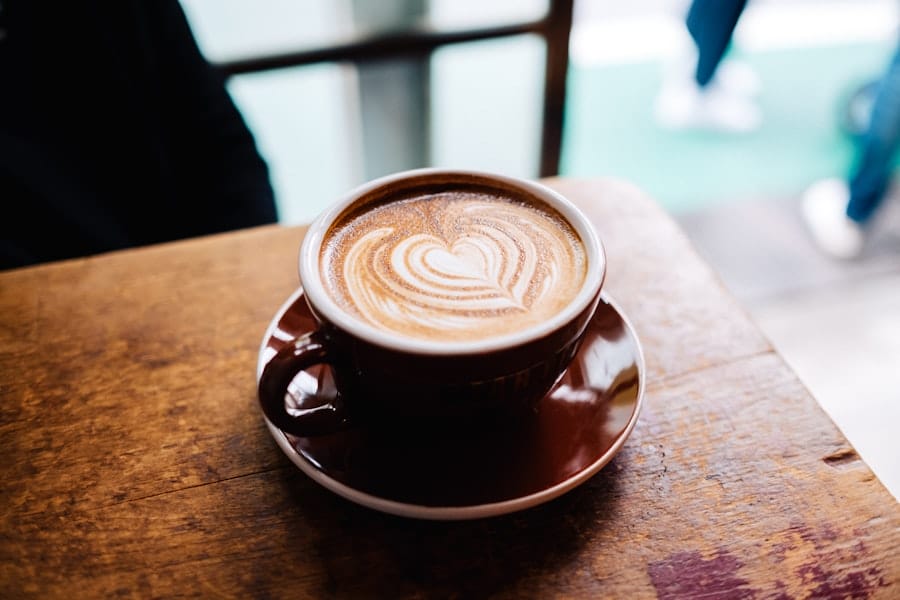
Grinding coffee beans is an essential step in the brewing process that can significantly impact the final flavor of our cup. The grind size determines how quickly water extracts flavors from the coffee, making it crucial for achieving the desired taste. For instance, a coarse grind is ideal for methods like French press, where longer steeping times are involved, while a fine grind is necessary for espresso, which requires quick extraction under pressure.
As we experiment with different grind sizes, we begin to appreciate the art behind this seemingly simple task. Investing in a quality burr grinder allows us to achieve consistent results, ensuring that each cup we brew is as flavorful as possible. Additionally, grinding our beans just before brewing preserves their freshness and aromatic qualities, allowing us to experience the full spectrum of flavors locked within each bean. By mastering the art of grinding, we elevate our coffee-making skills and enhance our overall enjoyment of this beloved beverage.
Mastering the Water-to-Coffee Ratio for the Best Brew
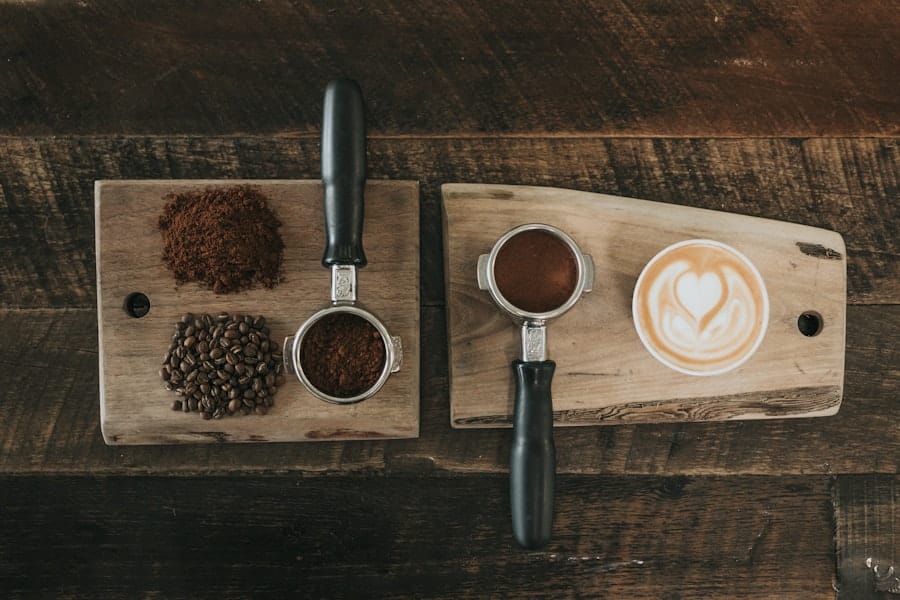
One of the most critical aspects of brewing coffee is mastering the water-to-coffee ratio. This ratio determines how strong or weak our brew will be and can make all the difference in achieving that perfect cup. While personal preference plays a significant role in determining this ratio, a general guideline is often recommended: using one to two tablespoons of coffee per six ounces of water. However, as we refine our brewing techniques, we may find ourselves adjusting this ratio to suit our taste.
Experimenting with different ratios allows us to discover what works best for our palate. A stronger brew may require more coffee grounds, while a lighter cup might benefit from less. Additionally, factors such as grind size and brewing method can influence how much coffee we need to use. By paying attention to these details and keeping track of our experiments, we can develop a deeper understanding of how to achieve our ideal brew strength and flavor profile.
For those who appreciate the nuances of high-quality coffee, exploring local coffee shops can be a delightful experience. One such gem is Rembrandt’s Coffee House, which offers a cozy atmosphere perfect for savoring expertly brewed beverages. If you’re interested in learning more about this charming spot and what makes it a haven for coffee lovers, you can read the full article here.
Exploring the World of Coffee Roasts and Flavors
The world of coffee roasts is vast and varied, offering an array of flavors and aromas that can transform our coffee experience. From light roasts that highlight the natural acidity and fruity notes of the beans to dark roasts that bring out rich chocolatey flavors, each roast level offers something unique. As we explore different roasts, we begin to appreciate how roasting affects not only flavor but also body and aroma.
Understanding the roasting process allows us to make informed choices when selecting our beans. Light roasts tend to retain more of their original flavor characteristics, while dark roasts often have a bolder taste due to caramelization during roasting. By sampling various roasts from different regions, we can embark on a flavorful journey that showcases the diversity of coffee around the world. This exploration not only enhances our appreciation for coffee but also opens up new avenues for pairing it with food or enjoying it on its own.
For those who appreciate the rich flavors of high-quality coffee, exploring different ways to enjoy it can enhance your experience. One interesting approach is incorporating coffee into your skincare routine, as highlighted in a related article about making your own coffee scrub at home. This DIY project not only utilizes your favorite brew but also provides a natural exfoliation for your skin. You can read more about it in this informative piece on DIY coffee scrubs.
Enhancing Your Coffee Experience with Specialty Additions
While high-quality beans and precise brewing techniques lay the foundation for great coffee, specialty additions can elevate our experience even further. From flavored syrups to spices like cinnamon or nutmeg, there are countless ways to enhance our cup. We might choose to add a splash of milk or cream for richness or experiment with non-dairy alternatives like oat or almond milk for a different texture and flavor profile.
Also Read:
Additionally, incorporating unique ingredients such as vanilla extract or cocoa powder can create delightful variations on classic recipes. As we explore these specialty additions, we can tailor our coffee experience to match our mood or occasion. Whether we’re indulging in a decadent mocha or enjoying a simple black cup with a hint of spice, these enhancements allow us to express our creativity and personalize our coffee ritual.
The Role of Temperature and Timing in Brewing the Perfect Cup
Temperature and timing are two critical factors that can make or break our coffee brewing process. The ideal water temperature for brewing coffee typically falls between 195°F and 205°F (90°C to 96°C). Water that is too hot can lead to over-extraction, resulting in bitter flavors, while water that is too cool may under-extract, leaving us with a weak and sour brew. By paying attention to water temperature, we can ensure that we are extracting the full range of flavors from our coffee beans.
Timing is equally important; each brewing method has its own recommended steeping time that affects flavor extraction. For example, a French press typically requires four minutes of steeping time, while espresso is brewed in just 25-30 seconds. By adhering to these guidelines and experimenting with slight adjustments based on our taste preferences, we can achieve a well-balanced cup that showcases the best qualities of our chosen beans.
Tips for Storing and Preserving Your High-Quality Coffee Beans
To fully enjoy high-quality coffee beans, proper storage is essential in preserving their freshness and flavor over time. Exposure to air, moisture, light, and heat can lead to stale or rancid beans that fail to deliver the delightful experience we seek. We should aim to store our beans in an airtight container made from opaque material to shield them from light and air exposure.
Additionally, keeping our coffee beans in a cool, dark place—such as a pantry or cupboard—can help maintain their freshness longer. It’s also advisable to buy whole beans rather than pre-ground coffee whenever possible; this way, we can grind them just before brewing for maximum flavor retention. By following these storage tips, we ensure that every cup we brew remains as vibrant and flavorful as possible, allowing us to savor the true essence of high-quality coffee beans.
In conclusion, by understanding the importance of high-quality coffee beans and mastering various aspects of brewing—from grinding techniques to water ratios—we can elevate our daily coffee experience into something truly special. Each step in this process contributes to creating a cup that not only satisfies our cravings but also celebrates the rich culture surrounding this beloved beverage. As we continue to explore new flavors and techniques, we deepen our appreciation for coffee and all it has to offer.
FAQs
Also Read:
What defines high quality coffee?
High quality coffee is typically defined by factors such as the origin of the beans, the variety of the coffee plant, the processing method, and the freshness of the beans. It often features a balanced flavor profile, aroma, and a clean finish without defects.
How is high quality coffee grown?
High quality coffee is usually grown in specific regions known as coffee belts, at high altitudes with optimal climate conditions. It is often cultivated using sustainable farming practices, with careful attention to soil health and hand-picking of ripe cherries to ensure quality.
What role does roasting play in high quality coffee?
Roasting is crucial in developing the flavor of high quality coffee. Expert roasters carefully control temperature and time to bring out the unique characteristics of the beans without over-roasting or burning, which can degrade quality.
How should high quality coffee be stored?
To maintain its quality, coffee should be stored in an airtight container away from light, heat, and moisture. Whole beans retain freshness longer than pre-ground coffee, and it is best to grind beans just before brewing.
What brewing methods are best for high quality coffee?
High quality coffee can be brewed using various methods such as pour-over, French press, espresso, or AeroPress. The choice depends on personal preference, but precise control over water temperature, grind size, and brewing time is essential to extract the best flavors.
Jillian Hunt is a talented writer who shares her passion for coffee on coffeegreenbay.com. Her blog is filled with insightful articles about the latest trends and innovations in the world of coffee, as well as tips on how to brew the perfect cup at home. So pour yourself a cup of joe and settle in for some great reads here!