


Fresh Loquat Tree for Sale: Bring Home Delicious Fruit Today!
 Jillian Hunt
January 22, 2026 1:19 am
.
9 min read
Jillian Hunt
January 22, 2026 1:19 am
.
9 min read
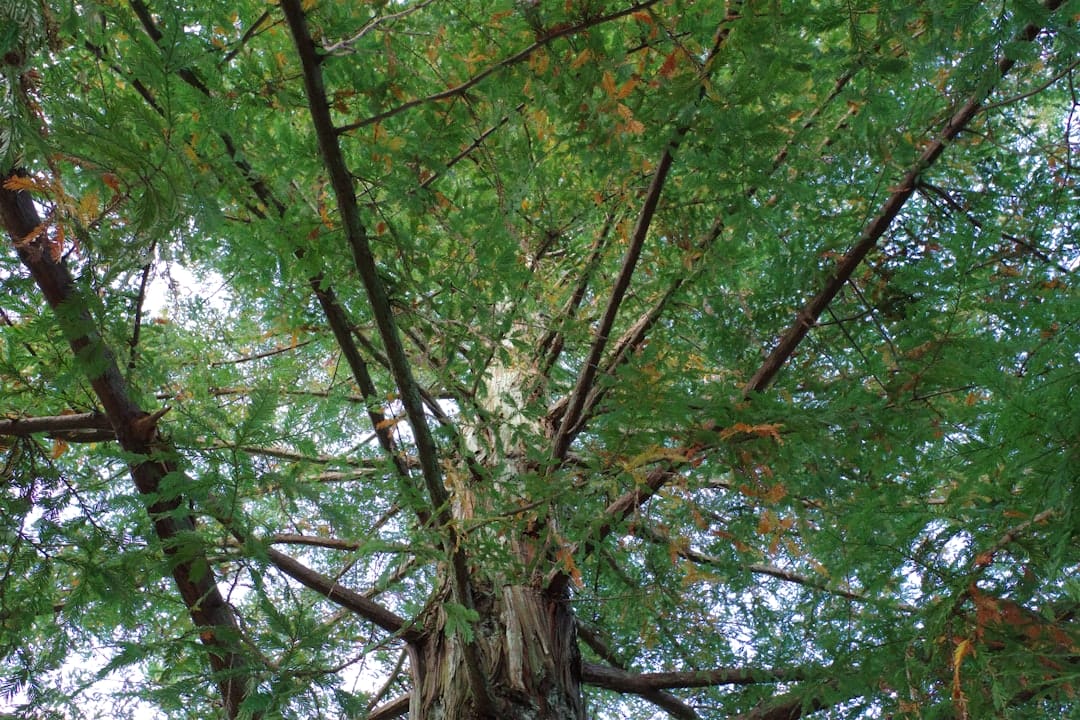
The loquat tree, scientifically known as Eriobotrya japonica, is a fascinating evergreen tree that hails from the subtropical regions of Asia. With its glossy, dark green leaves and fragrant white flowers, it adds a touch of beauty to any landscape. The tree can grow to a height of about 10 to 30 feet, making it a manageable size for most gardens. Its unique fruit, which resembles a small pear or apricot, is not only visually appealing but also packed with flavor. The loquat fruit is typically yellow or orange when ripe and has a sweet, tangy taste that many find irresistible.
Loquat trees are not just ornamental; they are also quite resilient and adaptable. They thrive in well-drained soil and can tolerate a range of climatic conditions, although they prefer mild winters and warm summers. This adaptability makes them suitable for various regions, particularly in the southern United States and other temperate climates. As we explore the benefits and care of loquat trees, we will discover why they are becoming increasingly popular among home gardeners and fruit enthusiasts alike.
If you’re interested in enhancing your garden with a loquat tree, you might also find inspiration in creative gardening ideas. For instance, an article on coffee bean drawings can spark your imagination and help you think outside the box when it comes to landscaping. You can explore this unique perspective on creativity in gardening by visiting this article.
Benefits of Growing a Loquat Tree
Growing a loquat tree offers numerous benefits that extend beyond the delicious fruit it produces. One of the most significant advantages is its ability to provide shade and beauty to our gardens. The lush foliage of the loquat tree creates a serene environment, making it an excellent choice for landscaping. Additionally, the tree’s fragrant flowers attract pollinators such as bees and butterflies, contributing to the overall health of our garden ecosystem.
Another compelling reason to cultivate a loquat tree is the nutritional value of its fruit. Loquats are rich in vitamins A and C, as well as dietary fiber, making them a healthy addition to our diets. The fruit is known for its antioxidant properties, which can help combat oxidative stress in our bodies. Furthermore, loquats have been traditionally used in herbal medicine for their potential health benefits, including soothing coughs and aiding digestion. By growing our own loquat tree, we not only enjoy fresh fruit but also promote our well-being.
How to Care for a Loquat Tree
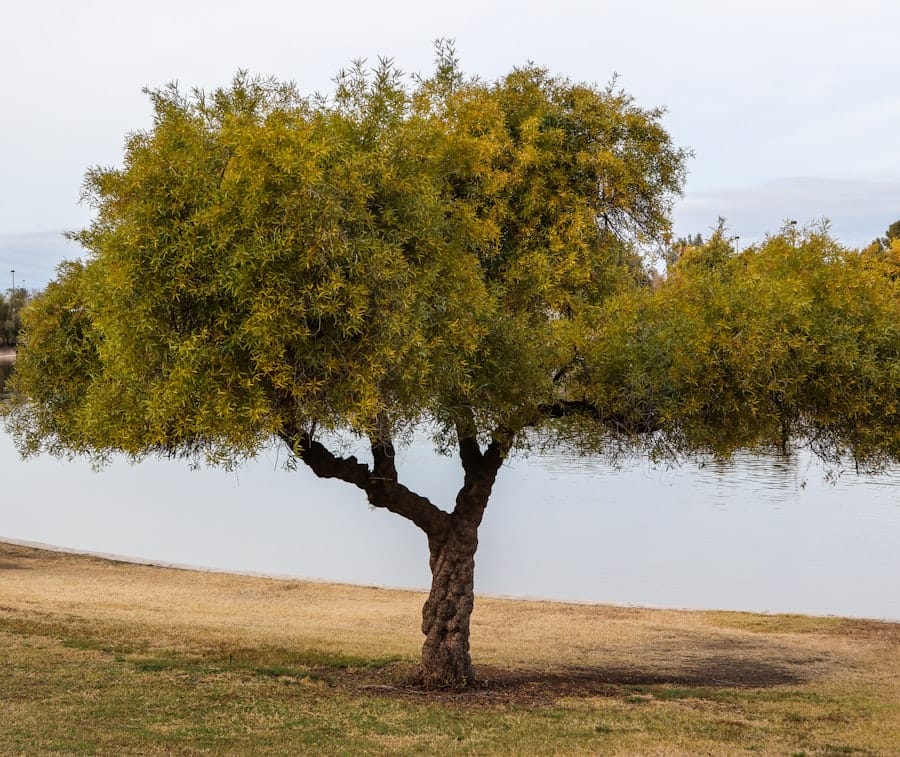
Caring for a loquat tree is relatively straightforward, making it an ideal choice for both novice and experienced gardeners. To ensure the tree thrives, we should start by selecting an appropriate location with plenty of sunlight. Loquats prefer full sun exposure for at least six hours a day, which helps promote healthy growth and fruit production.
Additionally, we should ensure that the soil is well-draining to prevent root rot, as loquats do not tolerate waterlogged conditions. Regular watering is essential, especially during dry spells. While loquat trees are drought-tolerant once established, they benefit from consistent moisture during their early growth stages.
We should aim to water deeply but infrequently, allowing the soil to dry out slightly between watering sessions. Fertilizing our loquat tree with a balanced fertilizer in the spring can also enhance its growth and fruit yield. Pruning is another important aspect of care; we should remove any dead or diseased branches to maintain the tree’s health and shape.
Where to Find Fresh Loquat Trees for Sale
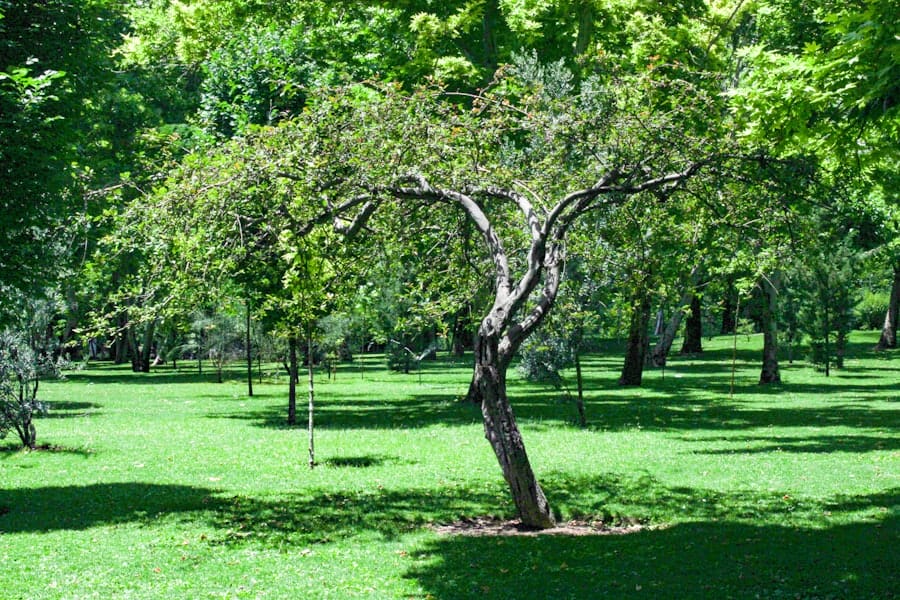
Finding fresh loquat trees for sale can be an exciting adventure for those looking to add this unique fruit tree to their garden. Local nurseries and garden centers often carry a selection of loquat trees, especially in regions where they thrive. Visiting these establishments allows us to speak with knowledgeable staff who can provide valuable insights into the specific varieties available and their care requirements.
In addition to local nurseries, we can also explore online retailers that specialize in fruit trees. Many reputable websites offer a wide range of loquat varieties, complete with detailed descriptions and care instructions. When purchasing online, it’s essential to choose a reliable seller with positive reviews to ensure we receive healthy plants. Furthermore, we might consider joining gardening clubs or community groups where members often share resources and may even have loquat trees available for trade or sale.
If you’re considering adding a loquat tree to your garden, you might also be interested in exploring how different plants can affect your health. For instance, did you know that coffee can have an impact on blood pressure? You can read more about this intriguing connection in a related article found here. Incorporating a loquat tree not only enhances your landscape but also provides delicious fruit, making it a wonderful addition to any home.
Choosing the Right Loquat Tree for Your Home
When selecting the right loquat tree for our home, several factors come into play. First and foremost, we should consider the climate in our area. Different varieties of loquats have varying levels of cold tolerance, so it’s crucial to choose one that will thrive in our specific conditions. For instance, the ‘Golden Nugget’ variety is known for its exceptional flavor and cold hardiness, making it suitable for cooler regions.
Another important consideration is the size of the tree at maturity. Some loquat varieties can grow quite large, while others remain more compact. If we have limited space in our garden or yard, opting for a dwarf variety may be the best choice. Additionally, we should think about the intended use of the fruit—whether we want to enjoy them fresh or use them in cooking and baking—as different varieties may have distinct flavor profiles that cater to our preferences.
If you’re considering adding a loquat tree to your garden, you might find it interesting to explore how different plants can thrive in various climates. For instance, understanding the local environment can significantly impact your gardening success. You can learn more about this by reading an insightful article on Colorado’s coffee culture, which highlights the importance of selecting the right plants for your specific area. This knowledge can help you create a vibrant garden that complements your loquat tree beautifully.
Harvesting and Enjoying Loquats
Also Read:
Harvesting loquats is an exciting time for us as gardeners, as it signifies the culmination of our efforts in nurturing the tree. Typically, loquats ripen in late spring to early summer, depending on the variety and climate conditions. We should keep an eye on the fruit as it changes color from green to yellow or orange; this is usually an indication that they are ready for picking. Gently tugging on the fruit can help determine ripeness; if it comes off easily from the stem, it’s time to harvest.
Once harvested, we can enjoy loquats in various ways. Fresh loquats make for a delightful snack on their own or can be added to fruit salads for a burst of flavor. Their sweet-tart taste pairs well with other fruits like berries and citrus. Additionally, we can use loquats in smoothies or as toppings for yogurt and desserts. The versatility of this fruit allows us to get creative in the kitchen while savoring the rewards of our gardening efforts.
Recipes and Uses for Fresh Loquats
The culinary possibilities with fresh loquats are truly exciting! One popular way to enjoy this unique fruit is by making loquat jam or jelly. The natural sweetness of the fruit combined with sugar and lemon juice creates a delicious spread that can be enjoyed on toast or used as a filling for pastries. Making jam is relatively simple; we just need to cook down the chopped fruit with sugar until it reaches our desired consistency.
Another delightful option is to incorporate loquats into savory dishes. Their sweet-tart flavor complements roasted meats beautifully; we can create a glaze using pureed loquats mixed with honey and balsamic vinegar for a unique twist on traditional marinades. Additionally, adding chopped loquats to salads can elevate our meals with their vibrant color and refreshing taste. The versatility of this fruit allows us to experiment with various recipes while showcasing its unique flavor profile.
Tips for Maintaining a Healthy Loquat Tree
To ensure our loquat tree remains healthy and productive throughout its life, there are several maintenance tips we should keep in mind. First and foremost, regular monitoring for pests and diseases is crucial. Common pests such as aphids or scale insects can affect the health of our tree if left unchecked. We should inspect the leaves regularly and take action promptly if we notice any signs of infestation.
Another important aspect of maintenance is mulching around the base of the tree. Applying organic mulch helps retain soil moisture while suppressing weeds that compete for nutrients. We should also be mindful of seasonal changes; during colder months, protecting young trees from frost by covering them or using frost cloth can prevent damage. By following these tips and staying attentive to our loquat tree’s needs, we can enjoy its beauty and bounty for many years to come.
In conclusion, growing a loquat tree offers us not only delicious fruit but also numerous benefits that enhance our gardens and well-being. With proper care and attention, these resilient trees can thrive in various climates while providing us with shade, beauty, and nutritious produce. Whether we are harvesting ripe loquats or experimenting with new recipes in the kitchen, cultivating this unique tree can be a rewarding experience that enriches our lives in many ways.
FAQs
Also Read:
What is a loquat tree?
A loquat tree (Eriobotrya japonica) is a small evergreen tree native to Southeast Asia, known for its sweet, tangy fruit. It produces yellow or orange fruit that is edible and often used in jams, jellies, and desserts.
Where can I buy a loquat tree for sale?
Loquat trees can be purchased at local nurseries, garden centers, and online plant retailers. It is important to buy from reputable sellers to ensure healthy, disease-free plants.
What climate is best for growing a loquat tree?
Loquat trees thrive in subtropical to mild temperate climates. They prefer areas with mild winters and warm summers, and they are hardy in USDA zones 8-10.
How do I care for a loquat tree after purchase?
Loquat trees require well-drained soil, regular watering, and full sun to partial shade. Fertilize them in early spring and prune to maintain shape and remove dead branches.
How long does it take for a loquat tree to bear fruit?
A loquat tree typically begins to produce fruit within 2 to 3 years after planting, although some trees may take up to 5 years to mature fully and yield a substantial harvest.
Jillian Hunt is a talented writer who shares her passion for coffee on coffeegreenbay.com. Her blog is filled with insightful articles about the latest trends and innovations in the world of coffee, as well as tips on how to brew the perfect cup at home. So pour yourself a cup of joe and settle in for some great reads here!