

Discovering the Best Quality Coffee Beans for Your Perfect Cup
 Jillian Hunt
January 30, 2026 1:19 am
.
10 min read
Jillian Hunt
January 30, 2026 1:19 am
.
10 min read
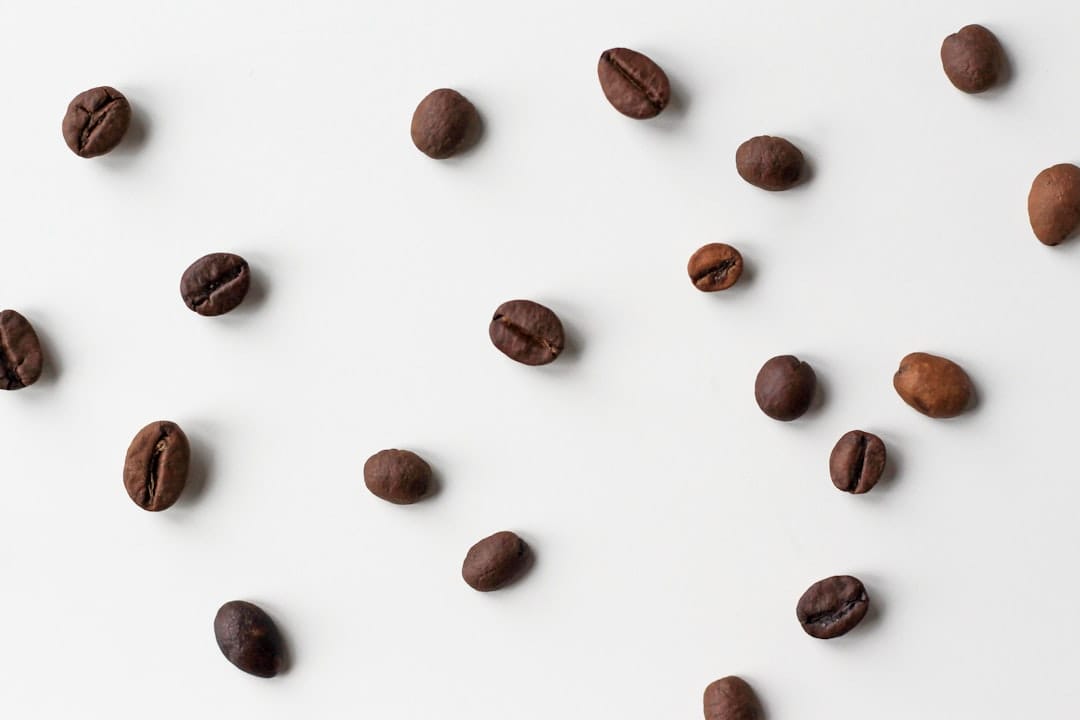
When we delve into the world of coffee, we quickly discover that not all coffee beans are created equal. The primary types of coffee beans that we encounter are Arabica, Robusta, Liberica, and Excelsa. Arabica beans, known for their smooth and complex flavor profiles, account for about 60-70% of the world’s coffee production. They thrive in higher altitudes and cooler climates, which contribute to their delicate taste and aromatic qualities. On the other hand, Robusta beans are hardier and more resilient, often grown at lower altitudes. They possess a stronger, more bitter flavor and contain higher caffeine levels, making them a popular choice for espresso blends.
As we explore further, we find that Liberica and Excelsa beans are less common but still hold unique characteristics. Liberica beans are known for their distinct floral and fruity notes, often described as having a somewhat woody or smoky flavor. They are primarily grown in West Africa and parts of Southeast Asia. Excelsa beans, a variety of Liberica, offer a tart and fruity profile that can add depth to blends. Understanding these different types of coffee beans allows us to appreciate the diverse flavors and aromas that each variety brings to our cups.
If you’re interested in the fascinating world of high-quality coffee beans and their various benefits, you might find this article on caffeine’s role in stimulating hair growth particularly intriguing. It explores how caffeine can enhance not only your morning brew but also contribute to hair health. To read more about this interesting connection, check out the article here: Caffeine: The Secret to Stimulating Hair Growth.
Factors that Affect Coffee Bean Quality
The quality of coffee beans is influenced by a myriad of factors, each playing a crucial role in the final product we enjoy. One of the most significant factors is the growing conditions, including altitude, climate, and soil quality. Coffee plants thrive in specific environments, and variations in these conditions can lead to differences in flavor and aroma. For instance, beans grown at higher altitudes often develop more complex flavors due to slower maturation processes, allowing the sugars to develop more fully.
Another critical factor is the processing method used after harvesting. There are several methods, including washed, natural, and honey processing, each imparting distinct characteristics to the beans. The washed method tends to produce cleaner and brighter flavors, while natural processing can enhance fruity notes. Additionally, the timing of the harvest plays a vital role; overripe or underripe cherries can significantly affect the quality of the beans. By understanding these factors, we can better appreciate the nuances in our coffee and make informed choices about what we brew.
The Best Regions for Coffee Bean Production
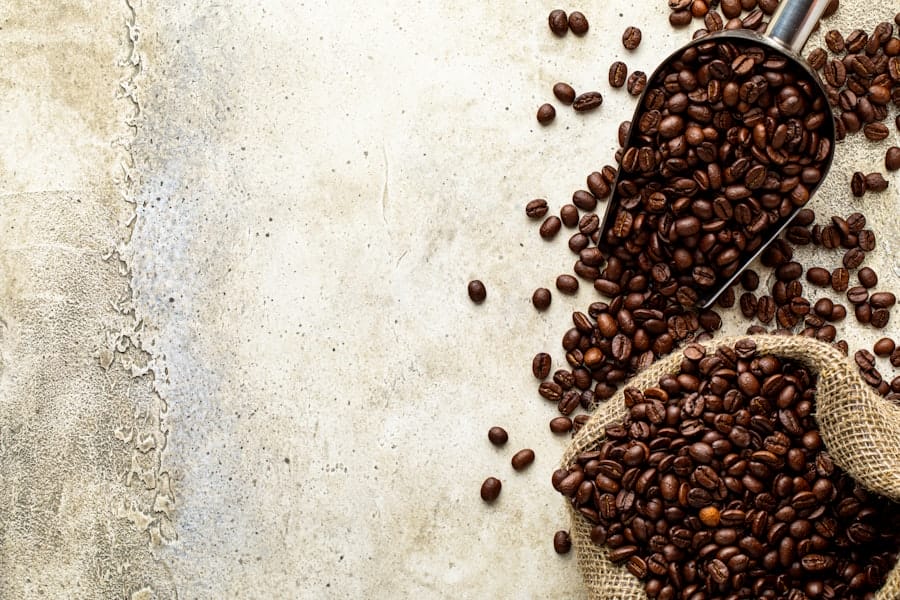
As we journey through the globe’s coffee-producing regions, we find that certain areas are renowned for their exceptional coffee beans. The “Coffee Belt,” which encircles the equator, is home to some of the most celebrated coffee-growing countries. In Central America, countries like Costa Rica and Guatemala produce Arabica beans known for their bright acidity and rich flavors.
The volcanic soil in these regions contributes to the unique taste profiles that coffee enthusiasts adore. Moving southward to South America, Colombia stands out as one of the largest producers of high-quality Arabica beans. The country’s diverse microclimates allow for a wide range of flavor profiles, from fruity to nutty.
In Africa, Ethiopia is often hailed as the birthplace of coffee and is famous for its heirloom varieties that offer vibrant floral and fruity notes. Each region brings its own distinct characteristics to the beans, influenced by local climate, soil composition, and traditional farming practices. By exploring these regions, we can gain a deeper appreciation for the global tapestry of coffee flavors.
Also Read:
How to Select and Store Coffee Beans for Freshness
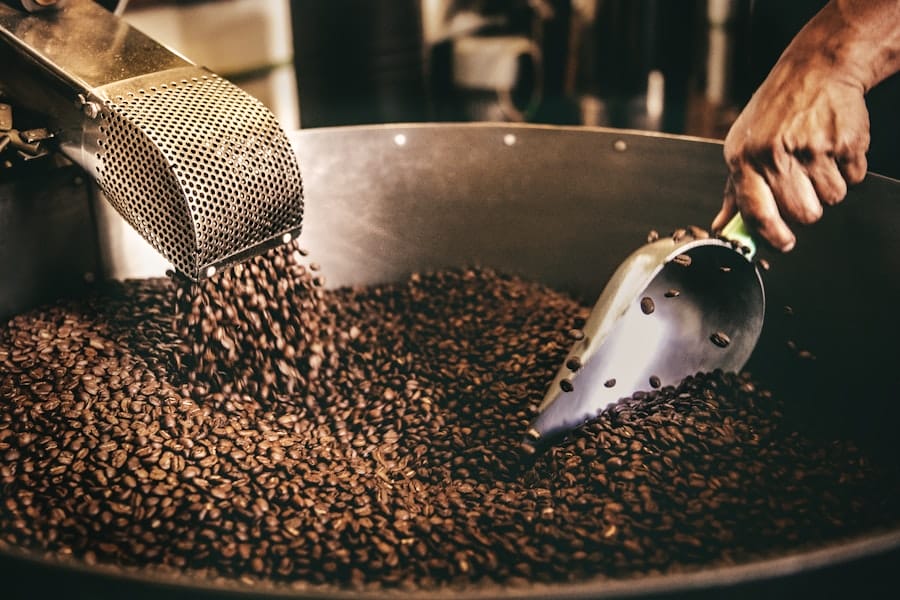
Selecting high-quality coffee beans is an art in itself. When we visit a coffee shop or specialty store, we should look for freshly roasted beans with a roast date clearly marked on the packaging. Ideally, we want to choose beans that have been roasted within the last two weeks to ensure maximum freshness. Additionally, examining the beans for uniformity in size and color can indicate quality; inconsistencies may suggest poor processing or blending practices.
Once we’ve selected our beans, proper storage is essential to maintain their freshness. We should keep our coffee beans in an airtight container away from light, heat, and moisture. A cool, dark pantry is often an ideal location. Avoiding refrigeration is also advisable, as moisture can negatively impact flavor. By taking these steps in both selection and storage, we can ensure that our coffee remains vibrant and flavorful from the first cup to the last.
When exploring the world of high-quality coffee beans, it’s essential to consider the sourcing and roasting processes that contribute to their unique flavors. For those interested in discovering some of the finest coffee options available, a great resource is an article that delves into the best Intelligentsia coffee in Chicago. You can read more about it here. This piece highlights the importance of selecting premium beans and how they can elevate your coffee experience to new heights.
Popular Coffee Bean Varieties and Their Flavors
As we explore popular coffee bean varieties, we encounter a delightful array of flavors that cater to diverse palates. Among Arabica beans, varieties such as Bourbon and Typica are highly sought after for their rich sweetness and complexity. Bourbon beans often exhibit notes of chocolate and caramel, while Typica tends to have a balanced profile with hints of fruitiness.
Robusta varieties also have their own unique appeal. While they are generally known for their boldness and bitterness, certain Robusta beans can surprise us with earthy undertones and nutty flavors. Additionally, blends that incorporate both Arabica and Robusta can create a harmonious balance between sweetness and strength. By understanding these popular varieties and their flavor profiles, we can better navigate our coffee choices and discover new favorites.
For those who appreciate the rich and nuanced flavors of high quality coffee beans, exploring various brands can lead to delightful discoveries. One such brand is Rifle Coffee Company, known for its commitment to sourcing premium beans that enhance the coffee experience. If you’re interested in learning more about their unique offerings and the bold flavors they bring to your cup, you can read about it in this informative article on their website. Check it out here: discover the bold flavors of Rifle Coffee Company.
The Importance of Roasting for Coffee Bean Quality
Also Read:
Roasting is a pivotal step in transforming green coffee beans into the aromatic delights we savor daily. The roasting process not only develops flavor but also affects acidity, body, and aroma. As we roast coffee beans, chemical reactions occur that create complex compounds responsible for the rich flavors we enjoy. Light roasts tend to preserve more of the bean’s original characteristics, showcasing bright acidity and floral notes. In contrast, dark roasts bring out deeper flavors like chocolate and caramel while reducing acidity.
The skill of the roaster plays a significant role in determining the final quality of the coffee. A well-executed roast can highlight the unique attributes of each bean variety while balancing flavors harmoniously. Conversely, an over-roasted or unevenly roasted batch can lead to burnt or bitter tastes that mask the bean’s inherent qualities. By appreciating the art of roasting, we can gain insight into how it shapes our coffee experience.
Finding the Best Coffee Beans for Your Brewing Method
Choosing the right coffee beans for our brewing method is essential for achieving optimal flavor extraction. Different brewing techniques require specific grind sizes and bean characteristics to bring out the best in each cup. For instance, if we prefer espresso, selecting a blend with robust flavors and a fine grind will yield a rich shot with crema on top. On the other hand, if we’re brewing a French press or pour-over, coarser grinds with bright acidity may be more suitable.
Additionally, understanding our personal taste preferences can guide us in selecting beans that align with our desired flavor profiles. Whether we enjoy fruity notes or prefer chocolatey undertones, there are countless options available to suit our individual palates. By experimenting with various brewing methods and bean selections, we can discover new dimensions of flavor that elevate our coffee experience.
Tips for Identifying High-Quality Coffee Beans
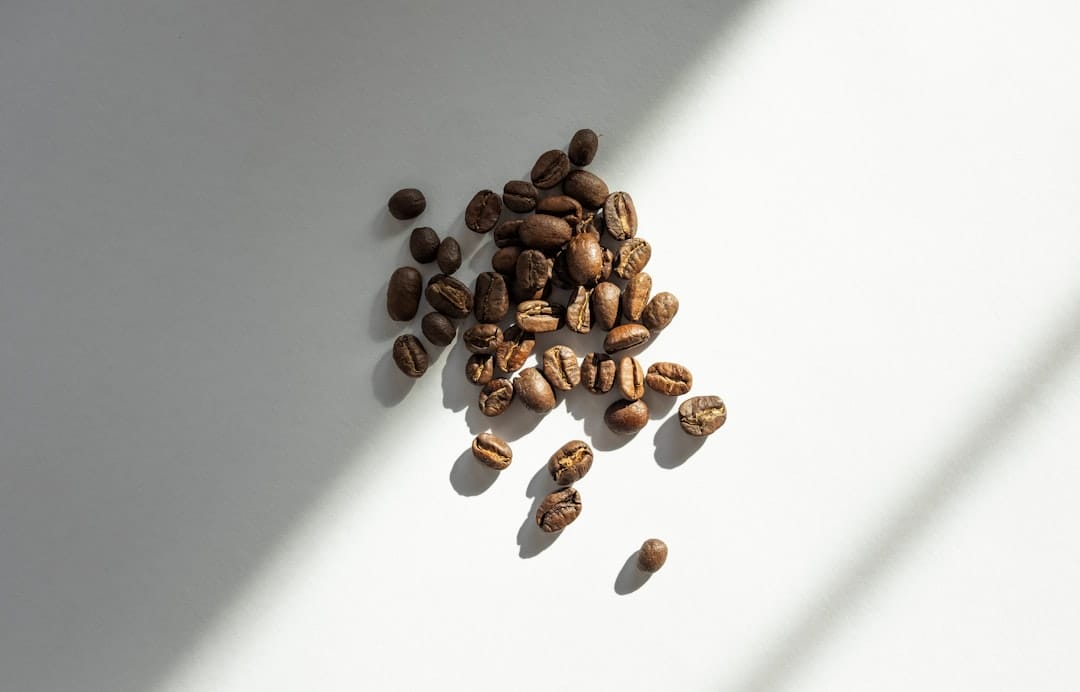
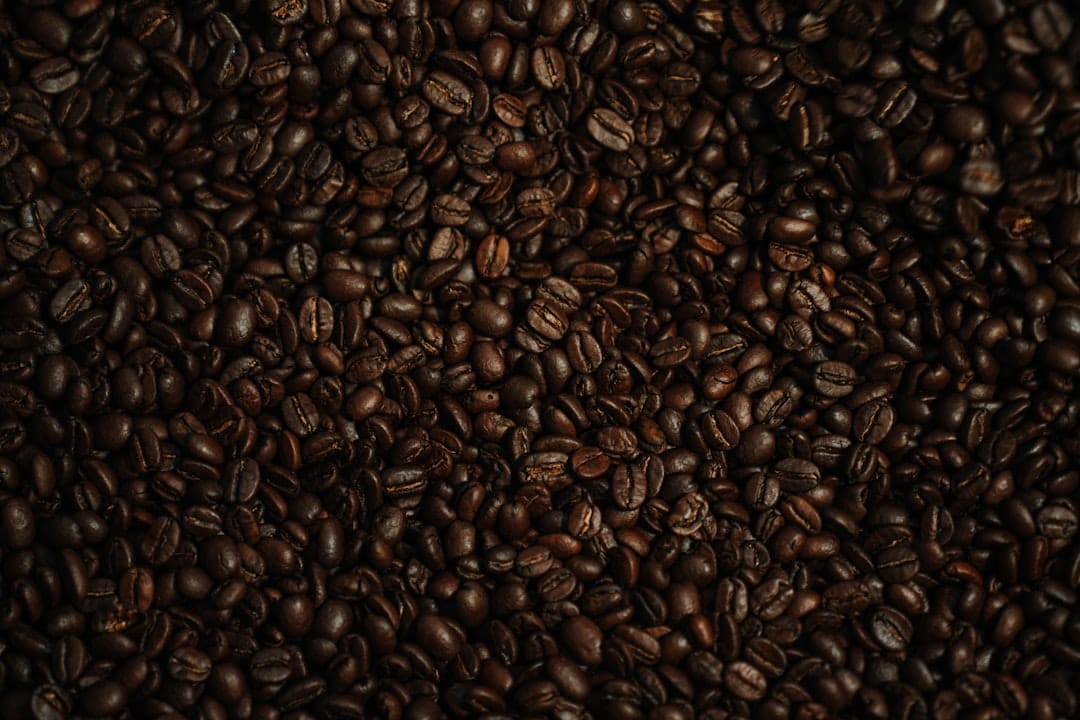
Identifying high-quality coffee beans requires a keen eye and an appreciation for detail. When examining beans, we should look for uniformity in size and color; this indicates careful processing and sorting practices. Freshly roasted beans will have a glossy appearance due to natural oils released during roasting. Additionally, sniffing the beans can provide valuable insights; high-quality beans often emit rich aromas that hint at their flavor potential.
We should also consider sourcing our coffee from reputable roasters or specialty shops known for their commitment to quality. Many roasters provide information about their sourcing practices and offer transparency regarding where their beans come from. Engaging with knowledgeable staff can enhance our understanding of different varieties and help us make informed choices based on our preferences. By honing our skills in identifying high-quality coffee beans, we can elevate our brewing experience and enjoy every sip to its fullest potential.
In conclusion, our journey through the world of coffee has revealed a rich tapestry of flavors, aromas, and experiences waiting to be explored. From understanding different types of coffee beans to recognizing factors that affect quality and mastering selection techniques, each step enhances our appreciation for this beloved beverage. As we continue to experiment with brewing methods and engage with various bean varieties, we deepen our connection to coffee culture while savoring every delightful cup along the way.
FAQs
What defines high quality coffee beans?
High quality coffee beans are typically characterized by their origin, freshness, size, and uniformity. They are often grown at high altitudes, handpicked, and processed carefully to preserve flavor. Specialty grade beans have minimal defects and a distinct, desirable flavor profile.
How can I identify fresh coffee beans?
Fresh coffee beans usually have a glossy appearance due to natural oils on the surface. They should be stored in airtight containers away from light and heat. The roast date on the packaging is a good indicator; beans are best used within a few weeks of roasting for optimal flavor.
What are the common types of high quality coffee beans?
The two most common types of high quality coffee beans are Arabica and Robusta. Arabica beans are generally considered superior due to their sweeter, more complex flavor and lower caffeine content. Robusta beans have a stronger, more bitter taste and higher caffeine but are often used in blends.
Why is the origin of coffee beans important?
The origin affects the flavor profile of coffee beans due to differences in soil, climate, and altitude. Beans from regions like Ethiopia, Colombia, and Kenya are renowned for their unique and desirable taste characteristics, which contribute to the overall quality of the coffee.
How should high quality coffee beans be stored?
To maintain quality, coffee beans should be stored in an airtight container in a cool, dark place. Avoid refrigeration or freezing as moisture can damage the beans. Proper storage helps preserve the beans’ aroma and flavor for a longer period.
Jillian Hunt is a talented writer who shares her passion for coffee on coffeegreenbay.com. Her blog is filled with insightful articles about the latest trends and innovations in the world of coffee, as well as tips on how to brew the perfect cup at home. So pour yourself a cup of joe and settle in for some great reads here!